

The Ultimate Guide to Hosting a Golf Simulator Party in Connecticut
Let's be honest — most party venues in Connecticut start to feel the same after a while. Bowling alley. Bar with a private room. Restaurant buyout. There's nothing wrong with any of them, but if you're looking for something that gets people genuinely excited before the night even starts, a golf simulator party at Back 9 Social in Wallingford is in a different league.
Whether you're planning a bachelor party, a corporate team outing, a milestone birthday, or just a big group night out, here's everything you need to know.
Why Golf Simulators Make Such Great Party Venues
The biggest misconception about simulator events is that you need to know how to golf to have fun. You don't — not even a little bit.
Golf simulators are inherently social. You're in a group bay, everyone takes turns, and the screen shows your ball flight in real time. That means the whole group is watching, cheering, and reacting together to every shot. Non-golfers often have just as much fun as the serious players, especially once the competitive spirit kicks in and someone who's never held a club outdrives the group's self-declared golf expert.
Add in the Trackman data — club speed, ball speed, launch angle, all displayed on screen — and suddenly everyone has something to compete over and talk about, regardless of their golf background.
And then there's the food and drinks. Back 9 Social has a full bar and kitchen, so your group eats, drinks, and plays all under one roof. No coordinating Ubers between venues, no waiting for a table somewhere else. It all happens in one place.
Events That Work Perfectly at Back 9 Social
Bachelor and Bachelorette Parties
Golf simulator events have become one of the most popular bachelor party options in Connecticut — and for good reason. They work for mixed skill levels, they're competitive without being physically exhausting, and the bar is right there. Back 9 Social can accommodate large groups across multiple bays simultaneously, and the energy when everyone's competing head-to-head is something you won't find at a standard bar crawl.
Corporate Events and Team Building
Looking for a corporate event that doesn't feel like a corporate event? A simulator outing at Back 9 Social checks every box. It's informal enough that people actually relax and connect with each other, competitive enough that you get genuine interaction and some friendly trash talk, and memorable enough that people are still talking about it weeks later. It works for small teams of 8 and large groups of 50 or more.
Birthday Parties
Whether it's a 30th, a 40th, a 50th, or just an excuse to get the crew together, a simulator birthday at Back 9 Social is something people won't forget. Private bays, custom challenges, and a great atmosphere make it easy to put together an event that feels genuinely special without requiring months of planning.
Date Nights and Double Dates
Not every event is a crowd. A two-bay booking for a couple or a double date is one of the most underrated evening options in Connecticut. It's active, competitive, low-pressure, and gives you something to talk about the whole drive home. It's also a great alternative to the standard dinner-and-a-movie routine.
Holiday and Seasonal Parties
Office holiday parties, end-of-season team celebrations, New Year's Eve pre-parties — simulator events work for any occasion where you want your group to actually interact instead of just standing around with drinks. The format naturally creates moments, inside jokes, and highlights that turn into memories.
What to Expect at Back 9 Social
Back 9 Social is Connecticut's largest indoor golf facility, with 11 Trackman simulator bays spread across a modern, open venue at 805 N Colony Rd in Wallingford. Each bay is equipped with full Trackman radar technology, giving every player real shot data alongside the simulation.
The venue has a full bar and kitchen, so food and drinks are built into the experience. The team is experienced at hosting private events of all sizes, from intimate groups to full venue buyouts, and can help you structure the evening — whether that's a tournament format, a closest-to-the-pin challenge, a simple round on a famous course, or just open play with drinks.
Tips for Planning Your Event
Weekends fill up fast, especially for large groups. If you're planning a bachelor party or corporate outing, give yourself as much lead time as possible. Book early.
The game modes and Trackman technology make it genuinely fun for everyone. First-timers often become the most enthusiastic players in the group. Don't stress about skill levels.
The Back 9 team can help you figure out the right number of bays based on your headcount and how long you want to play. More bays means more simultaneous action. Think about group size and bays.
It makes a significant difference in the overall experience. Having everything available on-site keeps the energy up and the group together. Plan food and drinks into your budget.
A structured competition (longest drive contest, lowest score on a par 3, points system) gives the event a through-line and something for people to talk about all night. Consider a format.
Ready to Book Your Event?
Whether you're planning something big or just want to get a group together for a great night out, Back 9 Social makes it easy. Reach out through the website to check availability and talk through the options for your group.
Book Your Event at Back 9 Social
805 N Colony Rd, Wallingford, CT | back9social.com
Golf Simulator vs. Driving Range: Which Is Better for Improving Your Golf Game?
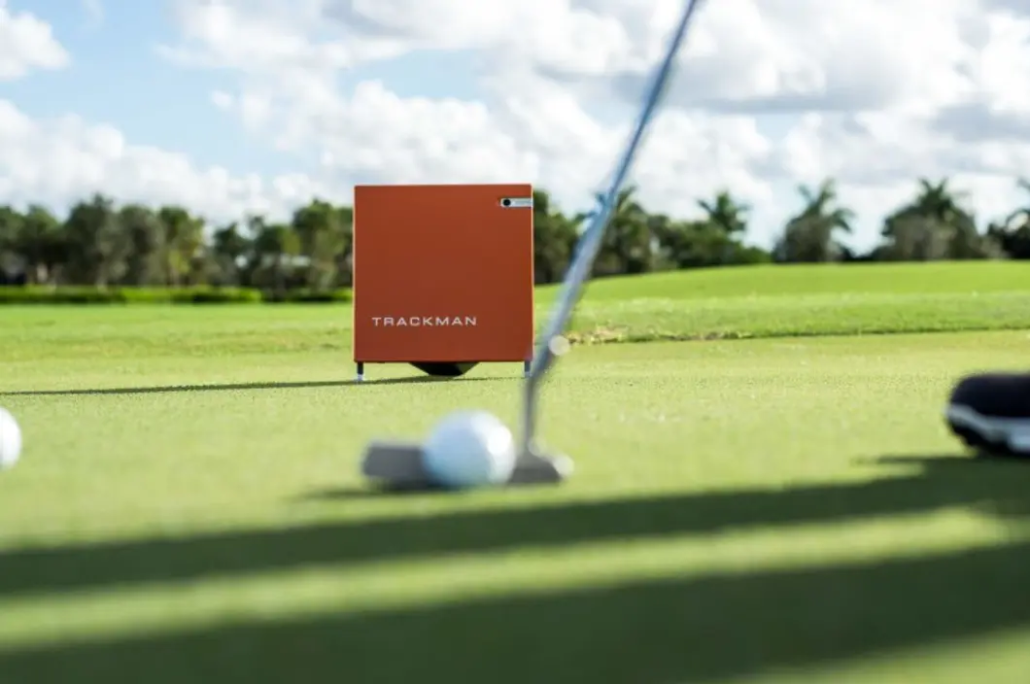
Range balls or Trackman data — which actually makes you better? We break down the real differences between a driving range and a golf simulator, and why a session at Back 9 Social gives you more measurable improvement per hour than a large bucket ever will.
If you're serious about getting better at golf, you've probably asked yourself this: should I hit balls at the driving range, or book time in a golf simulator? It's a fair debate, and the honest answer isn't "one is always better." But the technology available at modern indoor simulators has dramatically changed the calculus — especially if you're practicing with purpose.
Let's break it down.
The Case for the Driving Range
There's a reason the range has been the golfer's default practice option for decades. It's familiar, outdoor, and gives you the feel of real grass and real air. For working on full swings with a visual read on ball flight, a driving range has genuine value.
The range also has a low barrier to entry — no booking required, affordable, and easy to fit in before or after a round. For short game practice, a facility with a proper chipping and bunker area is still hard to beat.
But here's the uncomfortable truth: most golfers don't actually improve much at the range. They hit ball after ball, making the same mistakes on repeat, with no data telling them what's actually wrong. They leave feeling like they practiced, but their handicap stays exactly where it was. Practice doesn't make perfect — purposeful practice does.
The Case for a Golf Simulator
Modern golf simulators — especially those powered by Trackman radar technology like the ones at Back 9 Social — offer something the range simply can't: real-time data on every single shot you hit.
After every swing, you can see your club speed, ball speed, smash factor, launch angle, spin rate, club path, and face angle. You're not guessing why the ball curved left — you know. And more importantly, you know what to change.
Beyond data, simulators offer a range of advantages that make them the smarter choice for serious improvement:
Year-round access. No weather cancellations, no frozen fairways, no sun glare at 6pm. In Connecticut, that means 365 days of consistent practice instead of maybe 150.
Private, distraction-free bays. No waiting for the mat next to you, no one watching your swing, no range picker crossing your line. Just you and the data.
Course play. Back 9 Social's simulators let you play famous courses including Pebble Beach, Augusta National, and TPC Sawgrass. You can practice managing a real round — reading approach shots, hitting under pressure — not just grinding mechanics on a mat.
Efficiency. A one-hour session with intentional data review is worth three hours of mindless range balls. When every swing tells you something, nothing is wasted.
The Head-to-Head
Club and ball data:
Trackman simulator captures 26+ data points per swing. The range captures zero.
Weather dependence:
Range is outdoor and seasonal. Simulator is year-round, climate-controlled, and always ready.
Feedback loop:
Range relies on feel and observation. Simulator gives instant, objective numbers.
Course simulation:
Range is a flat mat and a net. Simulator lets you play world-class courses in real time.
Short game practice:
Advantage range. Nothing replaces real grass for chips and wedges.
So Which Should You Choose?
For raw feel and short game work around the greens, the range still plays a role. There's no substitute for hitting real wedge shots off real turf.
For everything else — driver consistency, iron accuracy, ball flight diagnosis, and understanding what your swing is actually doing — a Trackman simulator is objectively better for improvement. The data doesn't lie, the feedback is instant, and the progress is measurable.
The best golfers use both. But if you're choosing where to invest your limited practice time, a Trackman session at Back 9 Social will give you more actionable improvement per hour than a large bucket at the range.
Come Find Out for Yourself
Book a bay at Back 9 Social and hit a session with Trackman running. Compare what you think your swing is doing with what the numbers actually say. Most golfers are surprised — and most walk away with a clearer game plan than they've had in years.
Book a Bay at Back 9 Social
805 N Colony Rd, Wallingford, CT | back9social.com
What is Trackman?
What Is Trackman? How Launch Monitor Data Can Actually Lower Your Handicap
Most golfers practice the same way they always have — head to the range, hit a bucket of balls, hope something clicks. But there's a reason the world's best tour players don't leave their improvement to guesswork. They use data. Specifically, they use Trackman — the same launch monitor technology now available at Back 9 Social in Wallingford, CT. If you've ever wondered what Trackman actually is and whether it's worth your time, here's everything you need to know.
What Is Trackman?
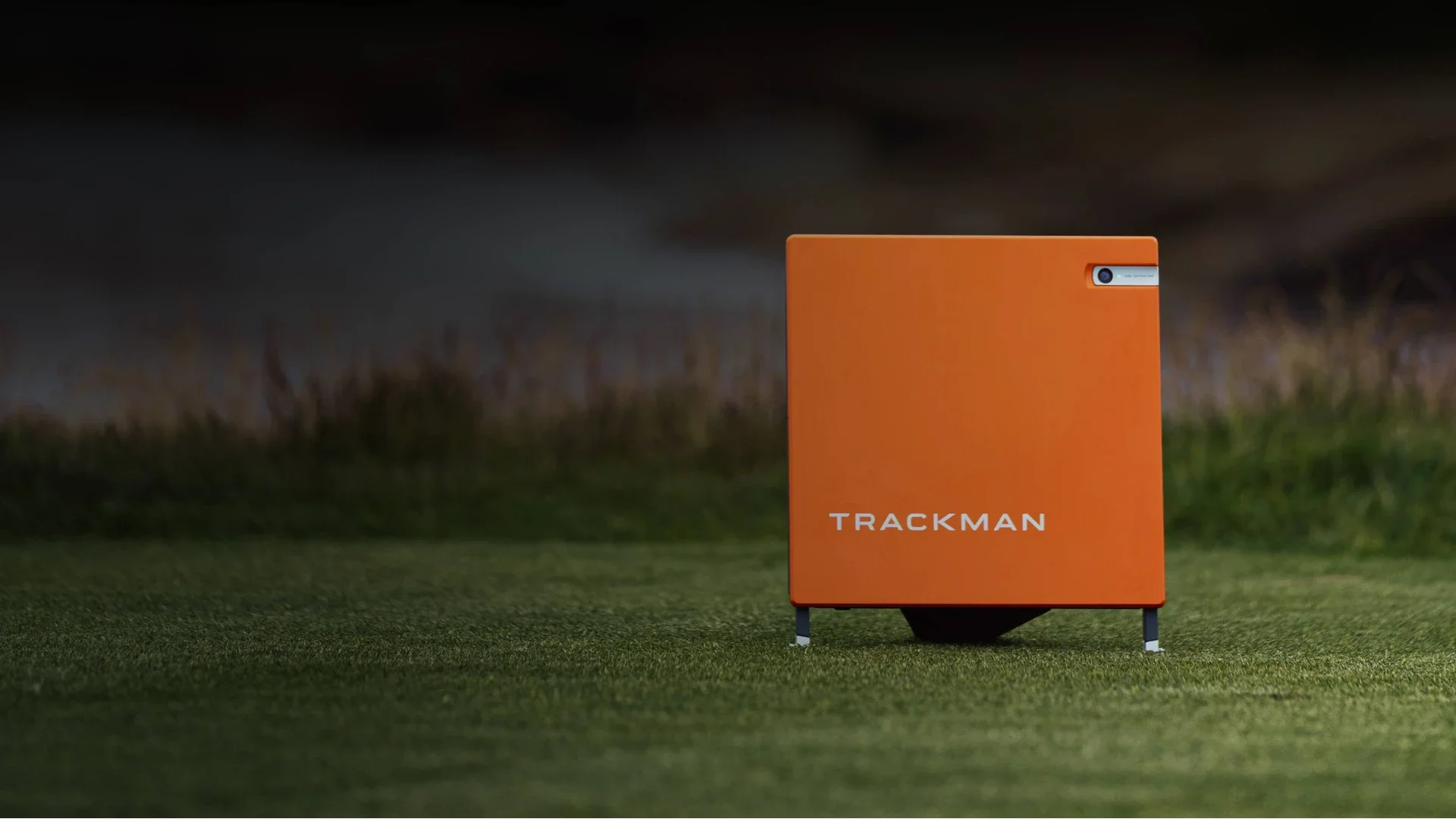
Trackman is a dual-radar launch monitor that tracks over 26 data points on every shot you hit. Originally developed for military use to track projectiles, the technology was adapted for golf in the mid-2000s and quickly became the gold standard for teaching professionals, club fitters, and tour players worldwide. Today, it's what separates serious practice from hitting balls into a net and hoping for the best.
At its core, Trackman captures two types of data: club data (what the club is doing at impact) and ball data (what the ball does as a result). Understanding both is the key to diagnosing and fixing what's actually wrong with your swing — not just what it looks like from the outside.
The Metrics That Matter
Here's a breakdown of the key numbers Trackman tracks and why they matter for your game:
Club Speed
How fast the clubhead is traveling at impact. This is the primary driver of distance. Every additional 1 mph of club speed generates roughly 2.5 yards of carry with a driver.
Ball Speed
How fast the ball leaves the face. The relationship between ball speed and club speed gives you your Smash Factor.
Smash Factor
Ball speed divided by club speed. A perfect smash factor with a driver is 1.50. If yours is 1.40, you're losing serious distance purely from off-center contact — and Trackman will tell you exactly why.
Launch Angle
The angle the ball launches off the face. The optimal launch angle for most golfers with a driver is between 12 and 17 degrees. Too low and you're leaving distance on the table; too high and the ball balloons and falls short.
Spin Rate
Measured in RPMs. Too much spin sends the ball high and short; too little and it falls out of the sky. Trackman shows you exactly where you are and what adjustments will fix it.
Club Path and Face Angle
These two numbers together explain why your ball curves the way it does. If you've been fighting a slice for years, these two metrics will tell you precisely what's causing it — and what to change.
Attack Angle
Whether you're hitting up or down on the ball at impact. This has a dramatic effect on launch conditions and spin, especially with the driver. Most amateur golfers hit down on their driver, costing them significant distance.
Why Data Changes Everything
Here's the problem with traditional range practice: without feedback, you're reinforcing habits — good or bad. You might fix one thing and break two others without realizing it. Trackman eliminates the guesswork. Every swing gives you immediate, objective data — not what your shot felt like, but what actually happened.
This is how tour players practice. They set specific, measurable targets — increase ball speed by 3 mph, reduce spin rate by 500 RPM — and use the data to track progress. You can do exactly the same thing, and you don't need to be a tour player to benefit. Even a single one-hour session with Trackman data can reveal patterns you've never noticed and give you a concrete plan for improvement that no amount of feel practice can match.
How to Use Trackman at Back 9 Social
At Back 9 Social, every simulator bay is equipped with Trackman technology, giving you access to all of this data in real time. Whether you want to work through a structured practice session, take a lesson with a pro while your numbers are on screen, or just play a round on a world-class virtual course while seeing your stats, the data is always running.
The best way to start is simple: bring your driver and a 7-iron. Hit ten shots with each and review the data. You'll likely be surprised by what you find — and you'll leave with a clearer picture of your game than you've ever had after a bucket at the range.
Ready to See Your Numbers?
Book a bay at Back 9 Social and experience Trackman for yourself. Our simulators are available seven days a week, and you don't need to be an experienced golfer to benefit from the technology — beginners often make the fastest progress when they can finally see what the club is doing.
Book a Bay at Back 9 Social
805 N Colony Rd, Wallingford, CT | back9social.com